
Bulk cleaning supplies for cleaning companies
Chemicals, janitorial equipment and cleaner PPE for every client site you service — one supplier, consistent products, volume pricing and the paperwork the 2021 chemical regulations demand.
Running a cleaning business in 2026
In contract cleaning, labour cost is fixed by law — the sectoral determination sets the hourly rate, and tender evaluators reject bids priced below it. For most contractors that leaves consumables and chemicals as the main cost line you can actually manage.
That’s where buying matters: the same products at every site (so training and dilutions don’t vary), concentrates where they make sense, and pricing that holds across a contract. Public tenders make the point — SARS’s national cleaning tender asks bidders to price every consumable, chemical and equipment line across regional clusters for a three-year term. Below is what the regulations require of your chemicals and PPE, and the range that covers it.
What the regulations require from a cleaning company
Your clients’ sites are your workplace — these are your obligations as the employer.
Before any exposure, cleaners must receive suitable information, instruction and training — how to read labels and SDSs, safe use, spill and emergency procedures, and how to use their PPE. [3]
Suppliers must provide a 16-section GHS Safety Data Sheet; you must make it available to the cleaners who use the product. Labelling duties apply all the way down the chain — including to employers, and to anything decanted into a spray bottle. [3]
South Africa adopts the UN GHS for chemical classification and labelling; SANS 10234 is the local guidance. Pictograms show the hazard at a glance — part of what your cleaners must be trained to recognise. [4]
Contract cleaners must be issued uniforms, overalls, gumboots and protective clothing free of charge within 7 days of starting — immediately where health and safety is at risk. Deductions are allowed only for loss or damage caused by the employee, capped at one-tenth of the weekly wage. [5]
Where a hazard can’t be removed, the employer must provide suitable PPE free of charge and keep it in good condition — and may not let anyone work without it. For caustic drain cleaners the SDS directs protective gloves, clothing and eye or face protection. [6]
Caustic (sodium hydroxide) drain cleaners are corrosive, generate heat with water and react with metals. Acid cleaners such as spirits of salts work on different blockages. Mixing them causes a violent reaction — store and use them separately, and train staff accordingly. [7]
The full janitorial range — on one order
Live prices. Volume discounts apply automatically at checkout.
Triple Red heavy-duty chemicals
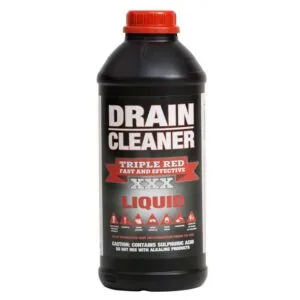
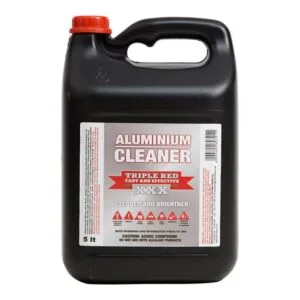
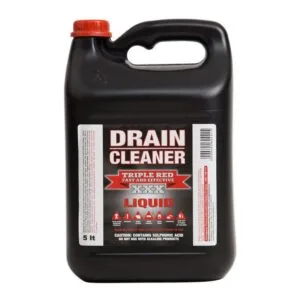
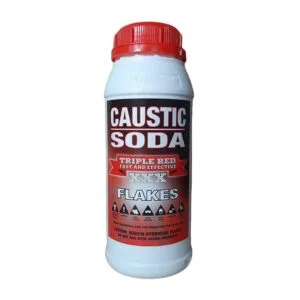
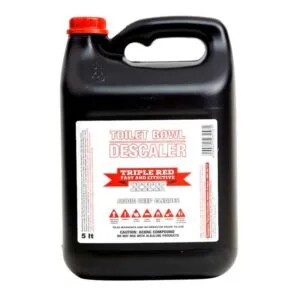
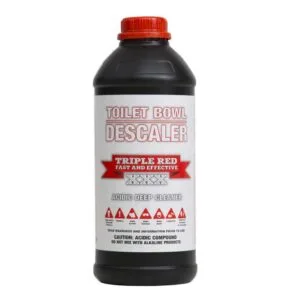
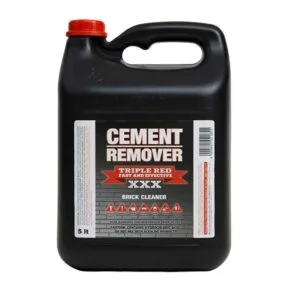
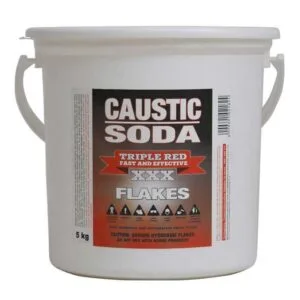
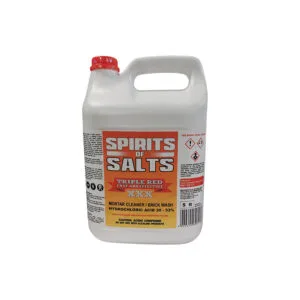
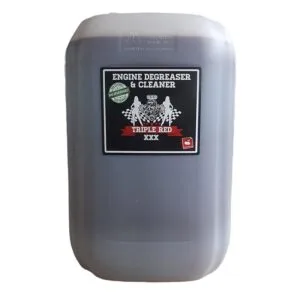
Drain cleaners (liquid and granules), caustic soda, spirits of salts, toilet-bowl descaler, cement remover and engine degreaser in 1 L, 5 L and 25 L — the heavy end of any contract.
Disinfectants & sanitisers
For washrooms, offices, schools and clinics — the high-touch surfaces your clients judge you on.
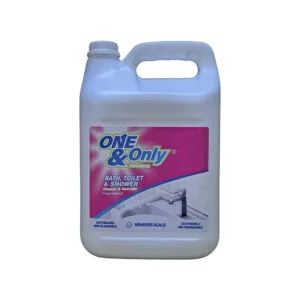
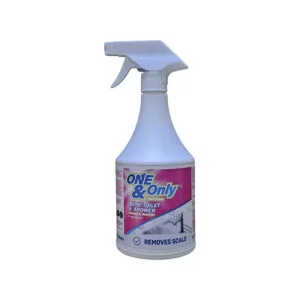
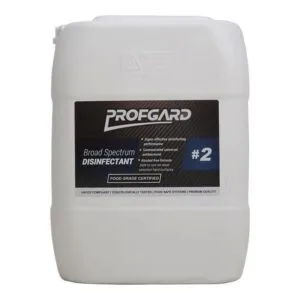
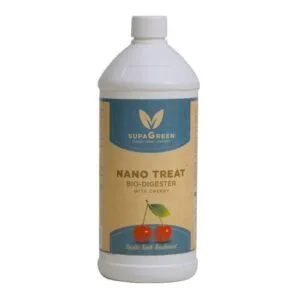
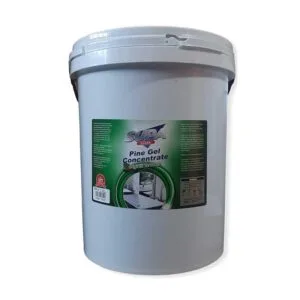
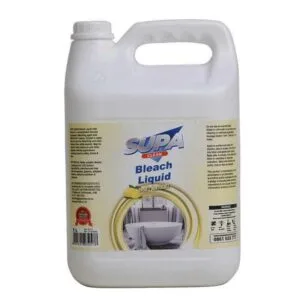
Everyday cleaners
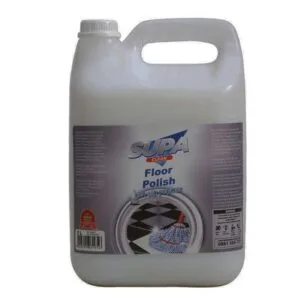
All-purpose, multipurpose, floor and glass cleaners — the volume lines, including Supa Clean and eco-friendly options.
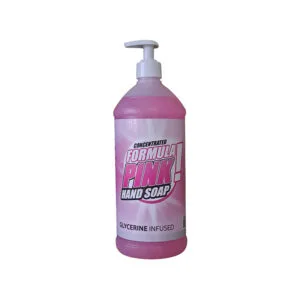
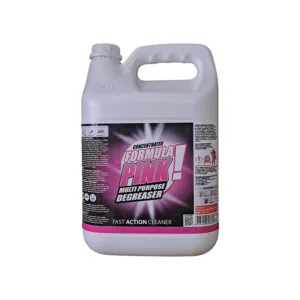

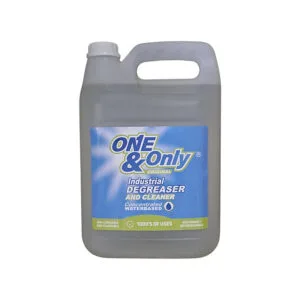
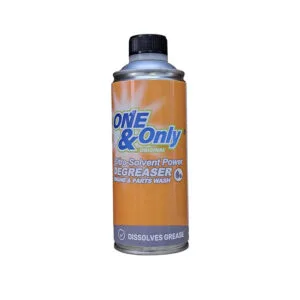
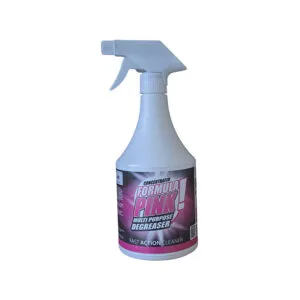
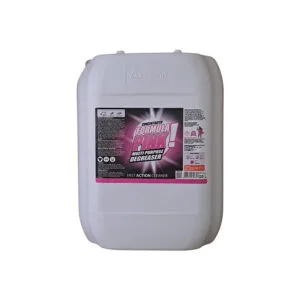
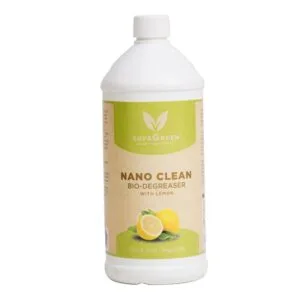
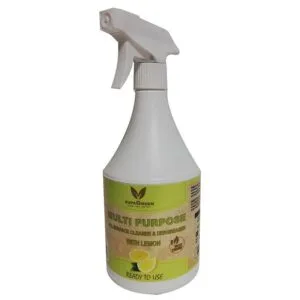
Degreasers
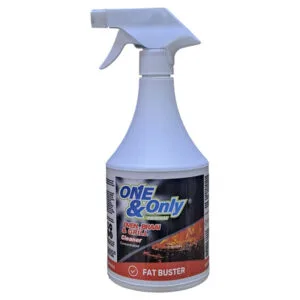
For canteens, kitchens, workshops and loading bays.
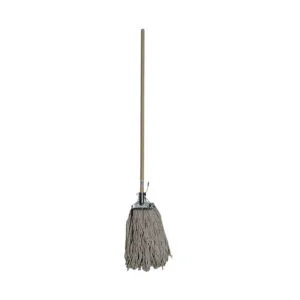
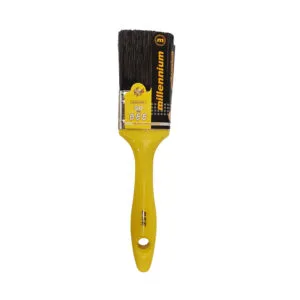
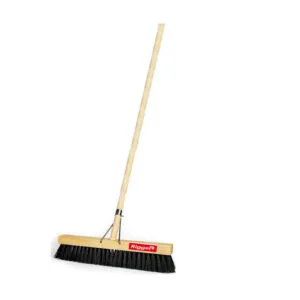
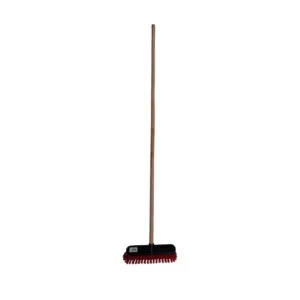
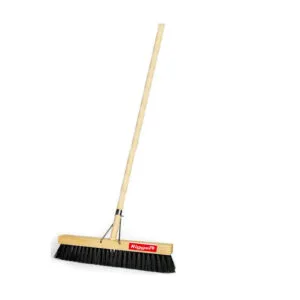
Brooms, mops, squeegees & bins
Janitorial equipment for every trolley and cleaner’s store room.
Gloves & cleaner PPE
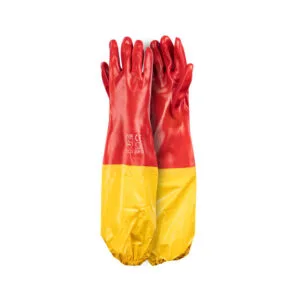
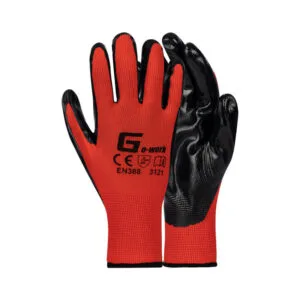
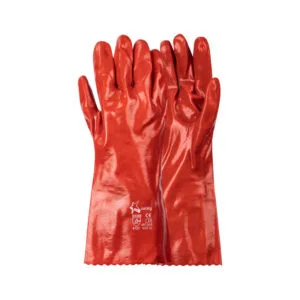
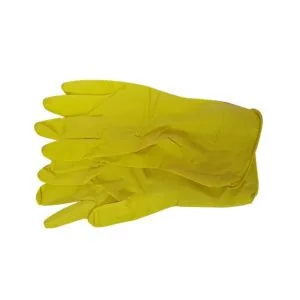
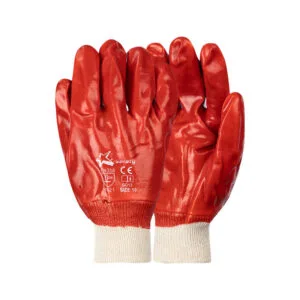
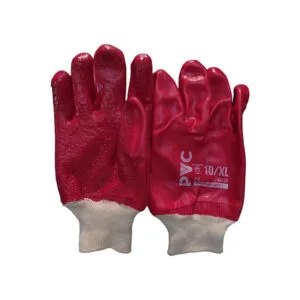
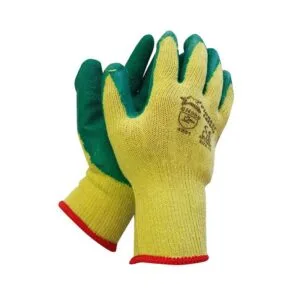
Household, nitrile, latex and PVC gloves, plus rain suits for outdoor and wet work.

New contract site — starter kit
What a typical office or washroom contract needs on day one. Send it to us with your site count for a trade quote.
- Multipurpose / all-purpose cleaner (bulk 5 L or 25 L)
- Disinfectant for washrooms and high-touch surfaces
- Toilet-bowl descaler and bathroom cleaner
- Floor cleaner and glass cleaner
- Degreaser for kitchens and canteens
- Caustic drain cleaner — stored separately from acid products
- Labelled trigger bottles for every decanted chemical
- Mops, buckets, brooms, squeegees and lidded bins
- Household or nitrile gloves for every cleaner
- Chemical-resistant gloves and eye protection for drain and descaling work
- Uniform / protective clothing within 7 days of each new starter
- An SDS file for the site and a record of each cleaner’s chemical training
Why Cleaning Companies & FM buy from Securadeal
Buy more, save more — automatically
Volume discounts apply at checkout on qualifying products — no code, no account needed. Company name & VAT number go straight onto your tax invoice.
Pricing a tender or a multi-site contract? Get contract pricing →
Frequently asked questions
What laws govern cleaning chemicals in South African workplaces?
The Occupational Health and Safety Act, 1993 and, under it, the Regulations for Hazardous Chemical Agents, 2021. They require training before exposure, a GHS Safety Data Sheet and correct labels for each hazardous chemical, suitable PPE, and good housekeeping. They replaced the 1995 Hazardous Chemical Substances Regulations.
Does my cleaning company need an SDS for every chemical on site — and who supplies it?
Yes. The manufacturer or importer must classify the product and produce a 16-section GHS SDS; suppliers must pass it on with the first supply, when it is updated and on request. You must make it available to the cleaners who use the chemical. Ask us for the SDS on any chemical you order.
What PPE must cleaners wear when using caustic drain cleaner?
Follow the product’s SDS — for caustic (sodium hydroxide) products it directs protective gloves, protective clothing and eye or face protection, and not breathing dust or mist. The employer must supply this PPE free of charge (General Safety Regulations, Reg 2).
Who pays for cleaners’ uniforms and protective clothing?
The employer. Under Sectoral Determination 1 (Contract Cleaning) uniforms, overalls, gumboots and protective clothing must be issued free within 7 days of starting, or immediately where health and safety is at risk. Deductions are only allowed for loss or damage caused by the employee and are capped at one-tenth of the weekly wage.
Caustic or acid drain cleaner — which should cleaners use?
Caustic (alkaline) cleaners dissolve grease, fat and organic matter — typical in kitchen drains. Acid cleaners such as spirits of salts tackle hair, soap scum and mineral build-up. Never mix them: the reaction is violent and dangerous. Our drain-clearing guide explains when to use each.
How much can a cleaning company save buying in bulk?
On our site, volume discounts apply automatically: 5+ units saves 2%, 10+ saves 4% and 20+ saves 5%. Larger savings usually come from buying concentrates and controlling dilution — industry sources put a single unit of concentrate at 20–100 units of in-use solution, but only if dosing is controlled. For contract or pallet volumes, ask for a trade quote.
How do I keep products and pricing consistent across many client sites?
Standardise on one list of products and dilutions, buy from one supplier, and agree pricing for the contract period. Send us your site list and monthly volumes — we quote once and deliver to each site.
What is the minimum wage for contract cleaners in 2026?
From 1 March 2026, Sectoral Determination 1 sets R33.27 per hour in the main metros and R30.33 per hour elsewhere. In KwaZulu-Natal, rates are set by the Bargaining Council for the Contract Cleaning Service Industry.
Other industries we supply
Sources & references
- Sectoral Determination 1: Contract Cleaning — remuneration from 1 March 2026 — acts.co.za/basic/nr622_3__remuneration
- Interclean — Regional spotlight: South Africa (Oct 2025) — intercleanshow.com/news/innovation/regional-spotlight-south-africa
- Regulations for Hazardous Chemical Agents, 2021 — UL summary — ul.com/news/south-africa-implemented-regulation-hazardous-chemical-agents
- South Africa GHS — SANS 10234 — ul.com/news/south-africa-moving-forward-ghs
- Sectoral Determination 1, clause 25 — uniforms and protective clothing — acts.co.za/basic/sd1_nr622_25__uniforms_overalls_protective_clothing_and_safety_equipment
- General Safety Regulations, Reg 2 — personal safety equipment — acts.co.za/occupational-health-/gsr_nr1031_2_personal_safety_equipment_and_facilities
- Caustic soda Safety Data Sheet (GHS wording) — sipchem.is.sa/sites/default/files/2022-08/Caustic%20Soda%20Product%20SDS.pdf
- SARS RFP 16/2026 — cleaning consumables, chemicals & equipment pricing schedule — sars.gov.za/rfp16_2026_copy-of-cluster-1-cleaning-tender-pricing-schedule_-final
Regulation summaries are general guidance to help you plan procurement — not legal advice. Always confirm current requirements with your health & safety officer or the relevant authority.
Trade pricing for cleaning companies
Tell us what you use and how many sites — we'll quote volume pricing within one business day.