
Commercial kitchen cleaning supplies that pass an R638 inspection
Food-grade sanitisers and degreasers, 20 L dishwashing liquid, hand-wash supplies, gloves, non-slip footwear and refrigeration — everything R638 checks for, in bulk for single restaurants and multi-outlet groups.
Why kitchen hygiene is non-negotiable
Restaurants, takeaways and caterers make up a R113.8 billion industry — 45% restaurants and coffee shops, 41% takeaway and fast food, 13% catering. Every one of those kitchens operates under R638, the hygiene regulations that decide whether you get (and keep) your Certificate of Acceptability.
Inspectors are stretched thin, so the operators who do best treat R638 as a daily routine rather than an inspection-day scramble: the right food-grade chemicals at the right dilution, soap and hand-drying at every basin, cleaning and training records, protective clothing and working thermometers. Here’s what the regulations require, mapped to the products that cover each point.
What R638 and the chemical regulations require
The points an environmental health practitioner checks — and what to stock for each.
No food may be handled on premises without a valid CoA displayed in a conspicuous place. It is issued to the person in charge, is not transferable, and a change of person in charge must be notified within 30 days. [3]
Food-contact surfaces must be cleaned before first use and during or after processing. Before contact they may carry no more than 100 viable micro-organisms per cm² (SANS 5763 swab) and no remains of cleaning materials or disinfectants that could contaminate food. [3]
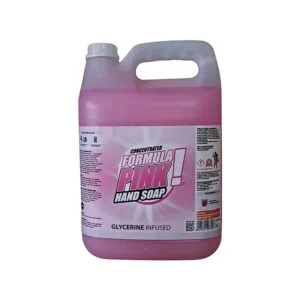
Hand basins need hot water where possible, soap (or another cleaning agent) and clean disposable hand-drying material. Food handlers must wash their hands thoroughly before each shift, after the toilet, after handling raw meat, money or refuse, and more. [3]
Nobody may handle food without suitable, clean protective clothing — including head coverings and footwear — designed so it can’t contaminate the food. Visitors to food areas wear it too. [3]
Chillers, freezers and heating units for perishable food need accurate, readable thermometers, and core temperatures must meet Annexure E. Chilled or frozen food can’t be sold if its surface is more than 2 °C warmer than required. [3]
Staff must be trained in food hygiene with records kept for the inspector, and refuse bins cleaned regularly and disinfected when needed. Under the 2021 chemical regulations every chemical needs an SDS and a label — and decanted chemicals may never go into anything that looks like a food or drink container. [5]
Profgard: certified for food areas
Standards and registrations exactly as stated on the manufacturer’s GHS Safety Data Sheets. Every Profgard, Triple Red and Supa SDS we hold is compliant with SANS 10234:2019 (GHS) and SANS 11014.
| Product | What it does | Standards & registrations |
|---|---|---|
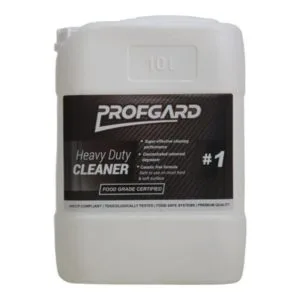
| Profgard #1 | Food-grade foaming degreaser & all-purpose cleaner | SANS 1828 food grade · for HACCP / ISO 22000 systems |
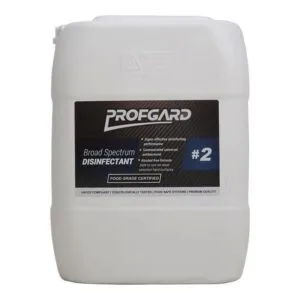
| Profgard #2 | Liquid disinfectant & cleaner for food areas | NRCS-registered under VC 8054 (Act5GNR529/254722/040/1049) · EN 1276 >99.999% (log 5) · SANS 1853 · SANS 51276 |
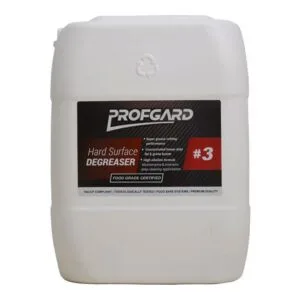
| Profgard #3 | Concentrated heavy-duty hard-surface degreaser | SANS 1828 food grade · for HACCP / ISO 22000 systems |
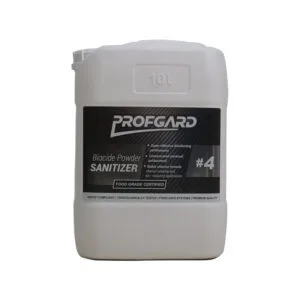
| Profgard #4 | Chlorinated powder disinfectant cleaner (biocide) | NRCS-registered (Act5GNR529/254722/1040/1050) · EN 1276 >99.999% (log 5) · SANS 1853 · SANS 51276 |
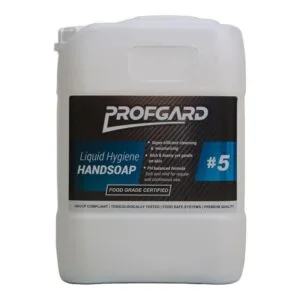
| Profgard #5 | Hygiene hand soap & skin cleanser | SANS 1828 food grade · EN 1276 · SANS 1853 |
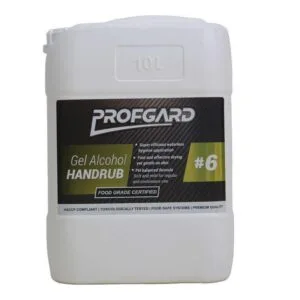
| Profgard #6 | Alcohol-based hand-sanitiser gel | SANS 490 hand rub · EN 1276:2019 · SANS 1853:2020 |
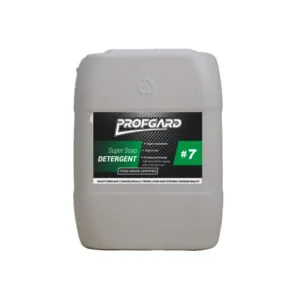
| Profgard #7 | Neutral super-concentrated detergent & dishwash | SANS 1828 food grade · for HACCP / ISO 22000 systems |
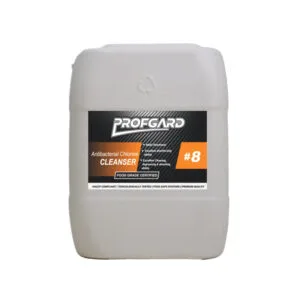
| Profgard #8 | Chlorine disinfectant foam cleaner & degreaser | EN 1276 food grade · SANS 1853 · SANS 51276 |
From the manufacturer’s Safety Data Sheets (Revision 5, May 2023). Ask us for the full SDS for any product — we send it with your order. [7]
Everything a commercial kitchen needs — in one order
Live prices. Volume discounts apply automatically at checkout.
Profgard food-grade chemicals
Numbered #1–#8: heavy-duty cleaner, broad-spectrum disinfectant, hard-surface degreaser, biocide powder sanitiser, food-grade hand soap and gel hand rub, super-soap detergent and anti-bacterial chlorine cleanser — in 10 L, 20 L and 10 kg.
Dishwashing & kitchen cleaners
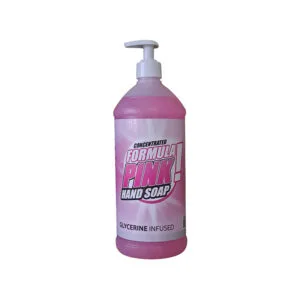
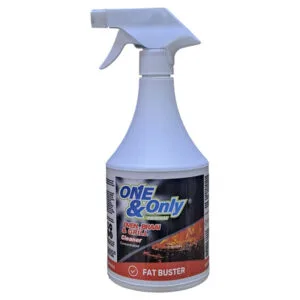
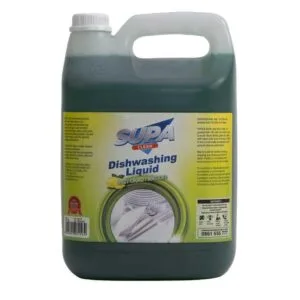
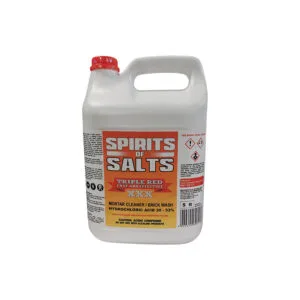
Dishwashing liquid in bulk sizes plus kitchen, oven and grill cleaners for the end-of-service clean-down.
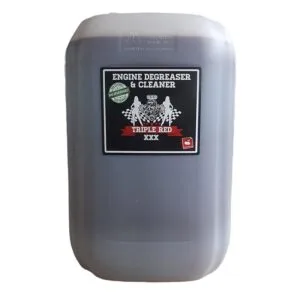
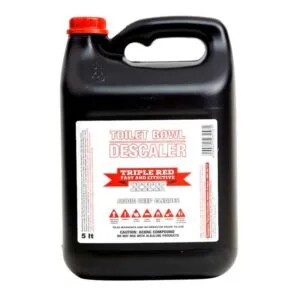
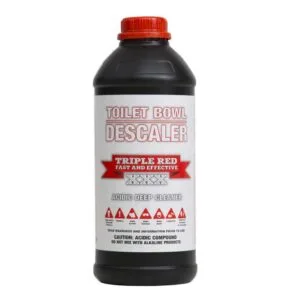
Degreasers & drain care
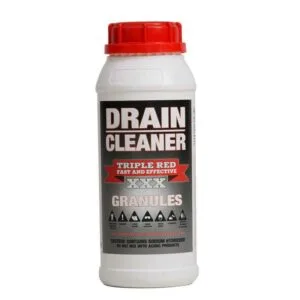
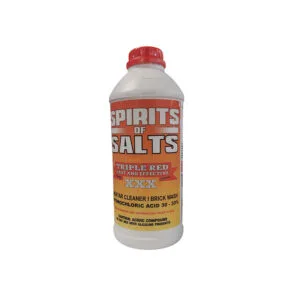
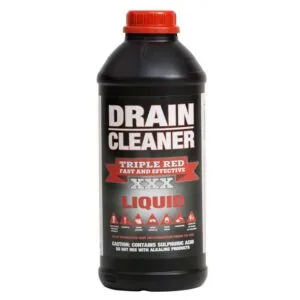
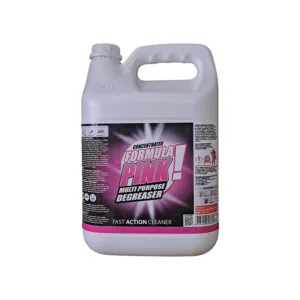
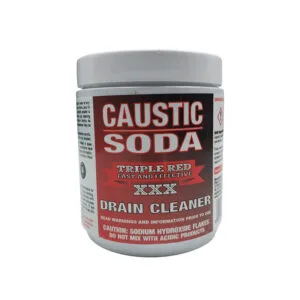
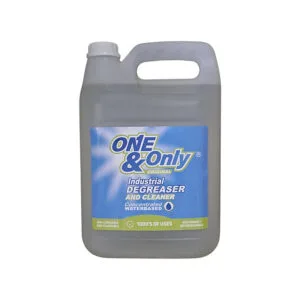
Extraction canopies, floors and fryer areas — plus Triple Red drain cleaners for grease blockages.
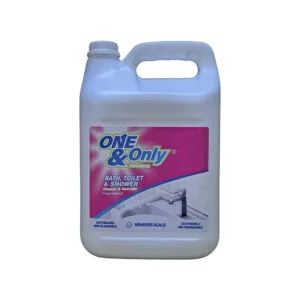
Sanitisers & disinfectants
For prep surfaces, front-of-house, washrooms and bins.
Gloves, aprons & kitchen footwear
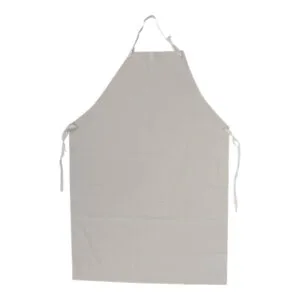
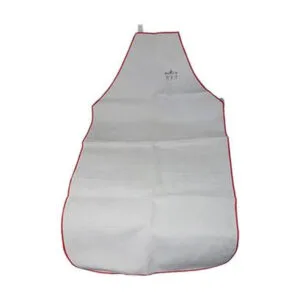
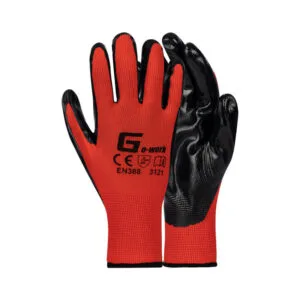
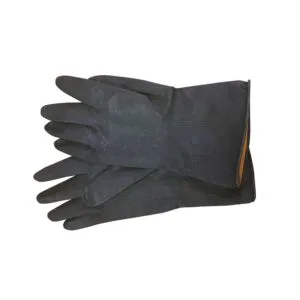
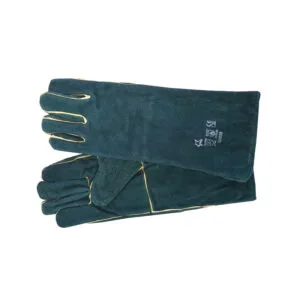
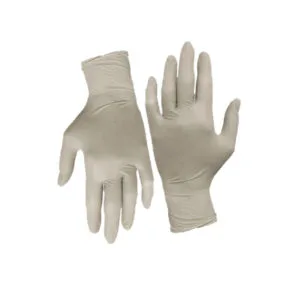
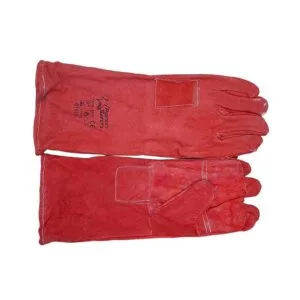
Nitrile and heat-resistant gloves, aprons, and non-slip safety footwear for wet kitchen floors.

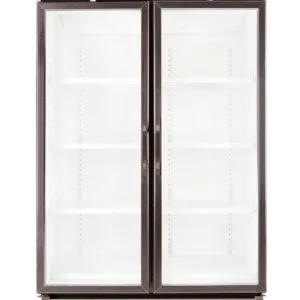
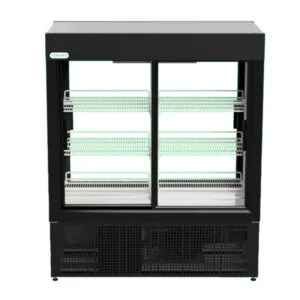
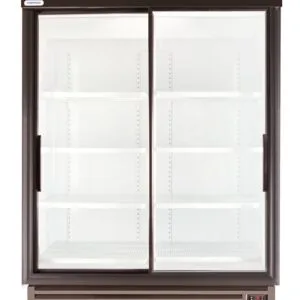
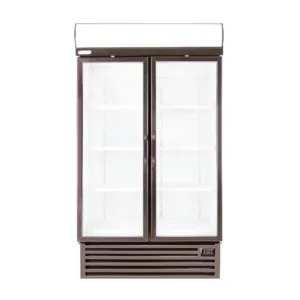
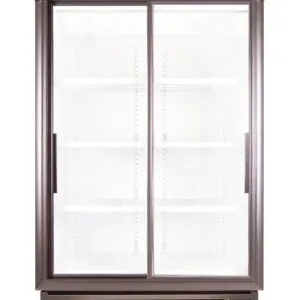
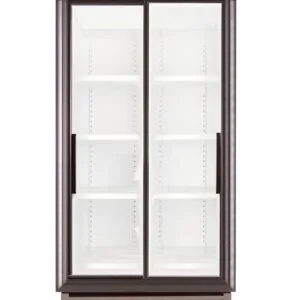
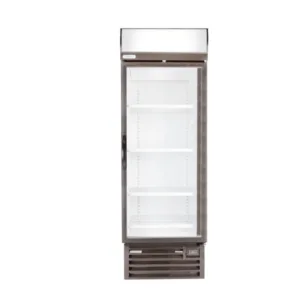
Commercial refrigeration
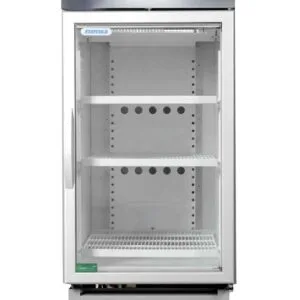
Staycold fridges and freezers for cold storage that meets R638 temperature rules.
R638 kitchen cleaning checklist
What to have on the shelf before the inspector arrives.
- Certificate of Acceptability displayed where it can be seen
- Food-grade sanitiser for food-contact surfaces (Profgard), used at label dilution
- Food-grade degreaser for canopies, fryers and floors
- Dishwashing liquid in bulk (20 L) for the wash-up area
- Soap and disposable hand-drying material at every hand basin
- Gel hand rub for front-of-house and food handlers
- Disinfectant for bins, washrooms and high-touch areas
- Liquid-proof, lidded refuse bins, cleaned and disinfected on a schedule
- Clean protective clothing, head coverings and non-slip footwear for every food handler
- Nitrile and heat-resistant gloves
- Working, readable thermometers on every fridge and freezer
- Training records, cleaning schedules and an SDS for every chemical — all available to the inspector
Why Restaurants & Commercial Kitchens buy from Securadeal
Buy more, save more — automatically
Volume discounts apply at checkout on qualifying products — no code, no account needed. Company name & VAT number go straight onto your tax invoice.
Running several outlets or a franchise? Get group pricing →
Frequently asked questions
What cleaning chemicals does a commercial kitchen need to pass a health inspection in South Africa?
R638 sets the standard rather than naming products. You need to clean food-contact surfaces so they carry no more than 100 viable micro-organisms per cm² and no chemical residue, keep soap and disposable hand-drying at every basin, and keep bins and premises clean. A typical kit is a food-grade sanitiser, food-grade degreaser, dishwashing liquid, hand soap and hand rub, a disinfectant for bins and washrooms, and drain cleaner — plus an SDS for each.
What is a Certificate of Acceptability and how do I get one?
It is the certificate under R638 Regulation 3 that allows food to be handled on your premises. The person in charge applies to the local authority; an environmental health practitioner inspects the premises and facilities (Regs 5 and 6). It must be displayed in a conspicuous place, isn’t transferable, and a change of person in charge must be notified within 30 days.
What is the difference between food-grade and regular cleaning chemicals?
South African law doesn’t define “food-grade” for cleaning chemicals. The practical test comes from R638: surfaces must carry no residue of cleaning materials or disinfectants that could contaminate food. Food-grade products are formulated and labelled for food areas, with instructions (dilution, contact time, rinse) that achieve that. Buyers typically also ask for an SDS and, for disinfectants, NRCS registration.
Do disinfectants have to be registered in South Africa?
Disinfectants making public-health claims for inanimate surfaces fall under the NRCS compulsory specification VC 8054 and must be registered with the NRCS. Hand sanitisers are covered by SANS 490. Ask your supplier for the registration or compliance details — for example, Profgard #2 and #4 are NRCS-registered and Profgard #6 hand gel is stated as SANS 490 compliant on the manufacturer’s SDS.
What does the “100 micro-organisms per cm²” rule mean?
R638 Regulation 6(4) says a food-contact surface, before it touches food, may carry no more than 100 viable micro-organisms per square centimetre, measured with the swab technique in SANS 5763. It is the measurable standard behind “clean” — and why correct sanitiser dilution and contact time matter.
What must food handlers wear?
R638 Regulation 9 requires suitable, clean protective clothing — including head coverings and footwear — designed and made of material that can’t contaminate the food, and covering the body except the hands. Visitors to food areas must wear it too where applicable.
What fridge and freezer rules does R638 set?
Chillers and freezers for perishable food need accurate, readable thermometers (Reg 6(5)), and core temperatures must meet Annexure E (Reg 8). Chilled or frozen food may not be sold if its surface temperature is more than 2 °C above what is required.
Do we need training records for kitchen staff?
Yes — twice over. R638 Regulation 10 requires food-hygiene training with records available to the inspector, and the Hazardous Chemical Agents Regulations, 2021 require training before staff are exposed to cleaning chemicals.
Can a restaurant group get bulk pricing?
Yes. Every order gets automatic volume discounts (5+ saves 2%, 10+ saves 4%, 20+ saves 5%). For franchises and multi-outlet groups, send us your outlet list for contract pricing and per-outlet delivery.
Other industries we supply
Sources & references
- Stats SA, Food and beverages (P6420), July 2026 — statssa.gov.za/publications/P6420/P6420July2026.pdf
- NICD Communicable Diseases Communiqué, Sept 2018 — listeriosis outbreak declared over — nicd.ac.za/wp-content/uploads/2018/09/NICD-Communicable-Diseases-Communique_Sept2018_final.pdf
- R638 of 2018 — Regulations Governing General Hygiene Requirements for Food Premises — source.acts.co.za/foodstuffs-cosmetics-and-disinfectants-act-1972/n638_regulations_governing_general_hygiene_requireme.php
- EWN — Public Protector findings on Gauteng food-safety enforcement (July 2026) — ewn.co.za/2026/07/17/pp-finds-gauteng-municipalities-failed-to-enforce-food-safety-regulations-at-spaza-shops
- Regulations for Hazardous Chemical Agents, 2021 (GN R280) — lawlibrary.org.za/akn/za/act/gn/2021/r280
- SAHPRA — regulatory status of hand sanitisers (SANS 490) — sahpra.org.za/wp-content/uploads/2020/04/Comm-to-Industry_Covid-19_Reg-Status-of-Equipment-10April2020.pdf
- Manufacturer GHS Safety Data Sheets — Profgard #1–#8 (Chemical Techniques, Rev 5, May 2023; available on request)
Regulation summaries are general guidance to help you plan procurement — not legal advice. Always confirm current requirements with your health & safety officer or the relevant authority.
Trade pricing for kitchens & restaurant groups
Tell us what you use and how many sites — we'll quote volume pricing within one business day.