
Food-grade cleaning & sanitising for food processing plants
Sanitisers, disinfectants, degreasers, hand hygiene and PPE for plants that live by HACCP, R638 and their next audit — in drum sizes, at volume pricing.
The stakes in food manufacturing
Food and beverages is South Africa’s biggest manufacturing division — and the one with the least room for error. The 2017–18 listeriosis outbreak (1,065 cases, 218 deaths) was traced to a single ready-to-eat processed-meat plant, and it changed the rules: HACCP became compulsory for meat and poultry processors, and retailers now expect GFSI-level audits from the suppliers behind their own brands.
Your sanitation programme is what those audits examine. The chemicals have to work — and they mustn’t leave residue that could contaminate food. Here’s how the regulations frame it, and the range that supports it.
The regulations behind your sanitation programme
What auditors and inspectors look for — and what to stock for each.
Food-contact surfaces must be cleaned before first contact and during or after processing, carry no more than 100 viable micro-organisms per cm² (SANS 5763 swab), and hold no remains of cleaning materials or disinfectants that could contaminate food. [3]
The HACCP regulations (R908 of 2003, amended by R607 of 2018) make a HACCP system compulsory for listed meat and poultry processors. Certification is audited against SANS 10330 (HACCP) and SANS 10049 (prerequisite programmes, including cleaning and sanitation) under SANAS accreditation. [4]
Large retailers expect their own-brand suppliers to pass third-party GFSI-benchmarked audits such as FSSC 22000, BRCGS or IFS — each of which examines how you clean, sanitise and control chemicals. [5]
Disinfectants making public-health claims for inanimate surfaces must be registered with the NRCS under compulsory specification VC 8054. Ask for the registration number when you approve a disinfectant. [6]
Every hazardous chemical needs a 16-section GHS Safety Data Sheet and a correct label — including decanted containers — and staff must be trained before exposure and given suitable PPE. [7]
Food handlers need clean protective clothing that can’t contaminate food — including head coverings and footwear — and must wash hands thoroughly with soap and water at the required times. Visitors wear protective clothing too. [3]
Profgard: the standards your auditor will ask about
Standards and registrations exactly as stated on the manufacturer’s GHS Safety Data Sheets. Every Profgard, Triple Red and Supa SDS we hold is compliant with SANS 10234:2019 (GHS) and SANS 11014.
| Product | What it does | Standards & registrations |
|---|---|---|
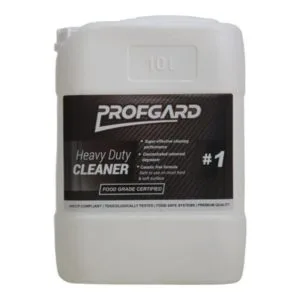
| Profgard #1 | Food-grade foaming degreaser & all-purpose cleaner | SANS 1828 food grade · for HACCP / ISO 22000 systems |
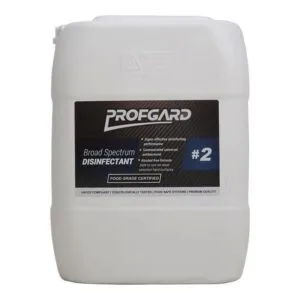
| Profgard #2 | Liquid disinfectant & cleaner for food areas | NRCS-registered under VC 8054 (Act5GNR529/254722/040/1049) · EN 1276 >99.999% (log 5) · SANS 1853 · SANS 51276 |
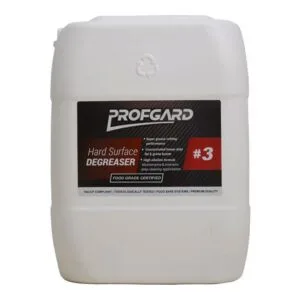
| Profgard #3 | Concentrated heavy-duty hard-surface degreaser | SANS 1828 food grade · for HACCP / ISO 22000 systems |
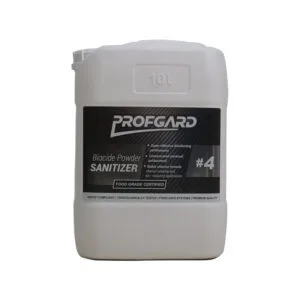
| Profgard #4 | Chlorinated powder disinfectant cleaner (biocide) | NRCS-registered (Act5GNR529/254722/1040/1050) · EN 1276 >99.999% (log 5) · SANS 1853 · SANS 51276 |
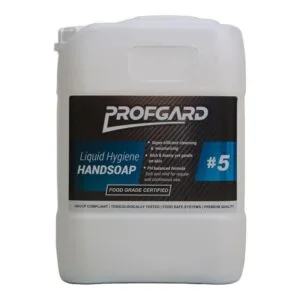
| Profgard #5 | Hygiene hand soap & skin cleanser | SANS 1828 food grade · EN 1276 · SANS 1853 |
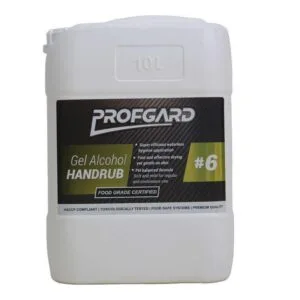
| Profgard #6 | Alcohol-based hand-sanitiser gel | SANS 490 hand rub · EN 1276:2019 · SANS 1853:2020 |
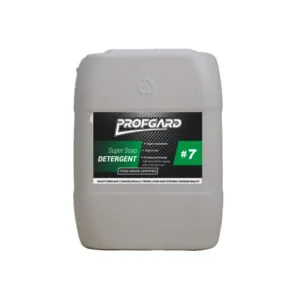
| Profgard #7 | Neutral super-concentrated detergent & dishwash | SANS 1828 food grade · for HACCP / ISO 22000 systems |
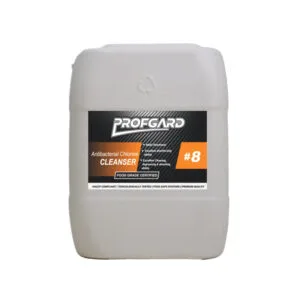
| Profgard #8 | Chlorine disinfectant foam cleaner & degreaser | EN 1276 food grade · SANS 1853 · SANS 51276 |
From the manufacturer’s Safety Data Sheets (Revision 5, May 2023). Ask us for the full SDS for any product — we send it with your order. [9]
Sanitation supplies for food plants
Live prices. Volume discounts apply automatically at checkout.
Profgard food-grade range
Heavy-duty cleaner, broad-spectrum disinfectant, hard-surface degreaser, biocide powder sanitiser, food-grade hand soap and gel hand rub, super-soap detergent and chlorine cleanser — 10 L, 20 L and 10 kg.
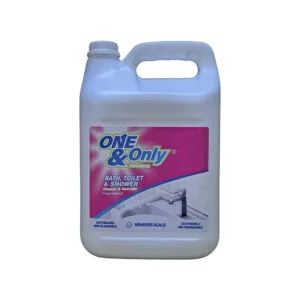
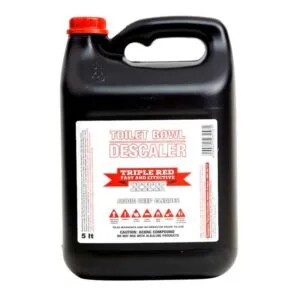
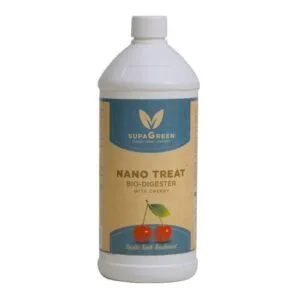
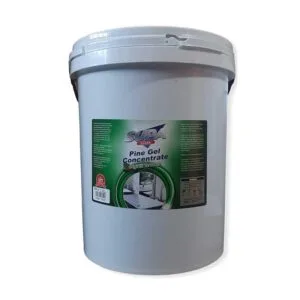
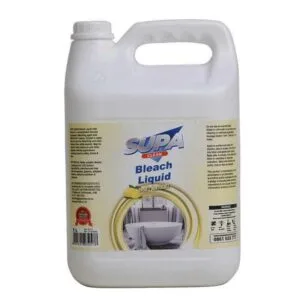
Disinfectants & sanitisers
For production areas, change rooms, hand-wash stations and high-touch points.
Industrial degreasers
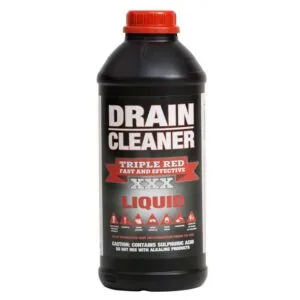
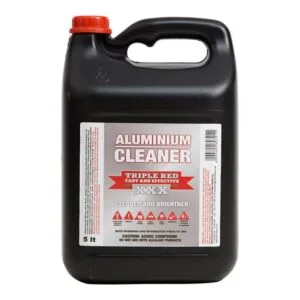
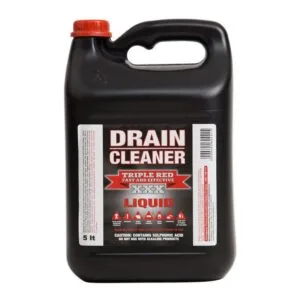
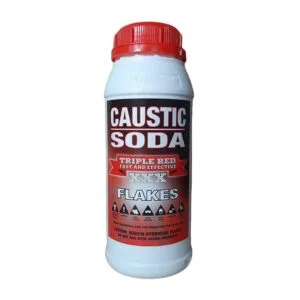
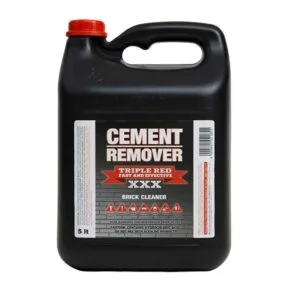
For production lines, floors, drains and loading bays.
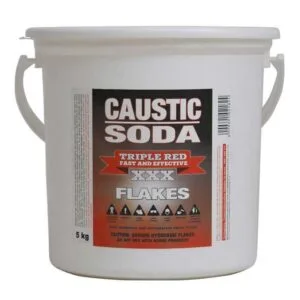
Gloves & protective clothing
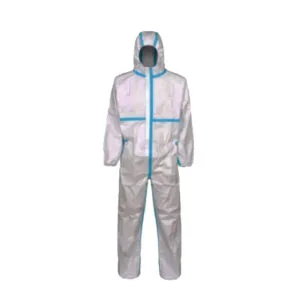
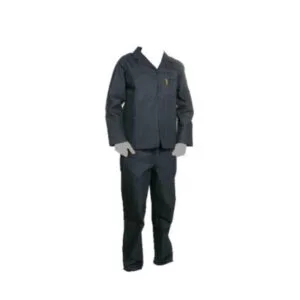
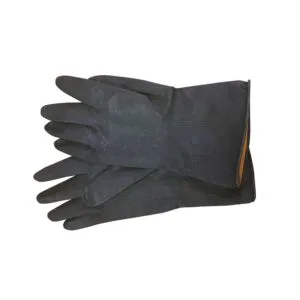
Nitrile, latex and chemical-resistant gloves, disposable overalls and continental suits.
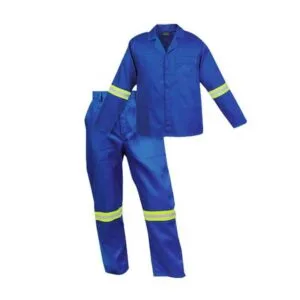

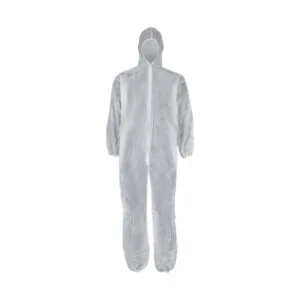

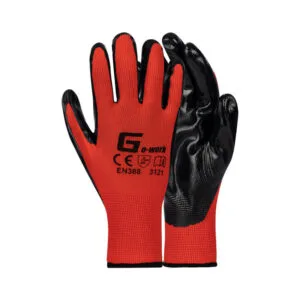
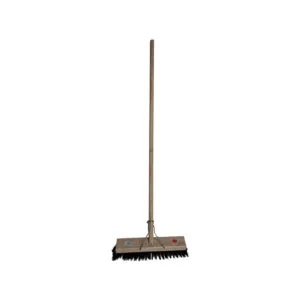
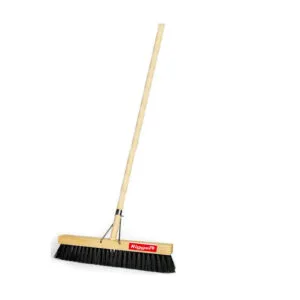
Floors, drains & hygiene equipment
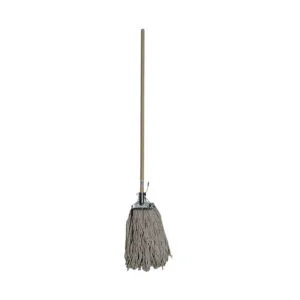
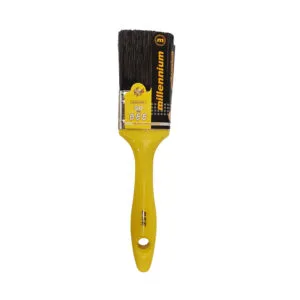
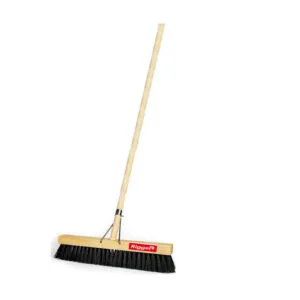
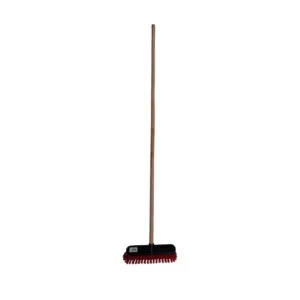
Squeegees, brooms, buckets and lidded bins for wet production floors.
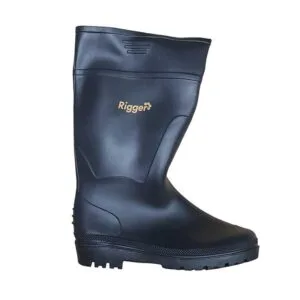
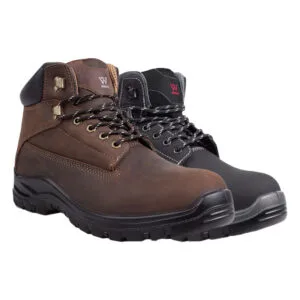
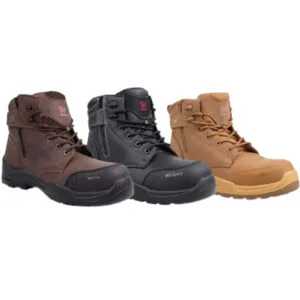
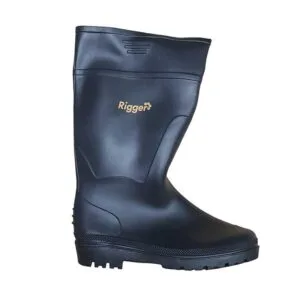
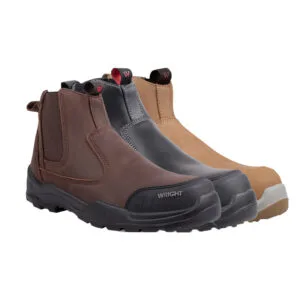
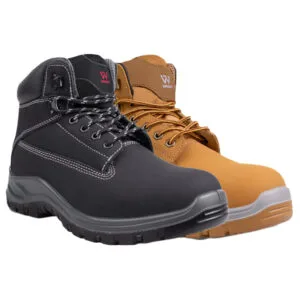
Safety footwear
Safety boots and gumboots for wet, slippery production areas.

 SALESAVE 9%
 SALESAVE 8%
 SALESAVE 8%
Food plant sanitation supplies checklist
Send us this list with your volumes for a drum-size trade quote.
- Food-grade detergent / heavy-duty cleaner for production surfaces
- Food-grade sanitiser at validated dilution for food-contact surfaces
- NRCS-registered disinfectant for non-food-contact areas
- Industrial degreaser for lines, floors and drains
- Food-grade hand soap at every hand-wash station, plus gel hand rub
- Chlorine cleanser for drains and high-risk areas
- Nitrile and chemical-resistant gloves
- Disposable overalls and protective clothing for staff and visitors
- Head coverings and suitable footwear for every food handler
- Squeegees, brooms, buckets and lidded bins for wet floors
- A current SDS for every chemical in your chemical register
- Cleaning schedules, swab results and training records for audits
Why Food Production & Processing buy from Securadeal
Buy more, save more — automatically
Volume discounts apply at checkout on qualifying products — no code, no account needed. Company name & VAT number go straight onto your tax invoice.
Need scheduled drum supply? Get plant pricing →
Frequently asked questions
Can I buy HACCP-certified cleaning supplies in South Africa?
HACCP certifies your food business and its food-safety system — not individual chemicals. What auditors check is that your cleaning chemicals are suitable for food areas, used as validated, documented in your prerequisite programme (SANS 10049), and backed by a current Safety Data Sheet. Food-grade products such as our Profgard range, with SDSs on file, support that.
Which disinfectant is safe to use on food-contact surfaces?
One that is formulated and labelled for food-contact use, applied at the stated dilution and contact time, and rinsed (or not) exactly as the label directs — so it leaves no residue that could contaminate food, as R638 Regulation 6(4) requires. For disinfectant claims, check for NRCS VC 8054 registration. Profgard #2 is NRCS-registered under VC 8054 and tested to EN 1276 (a log-5, 99.999% reduction), per the manufacturer’s SDS.
Is there a legal definition of “food-grade” cleaning chemicals?
Not in South African law. The practical requirement is R638’s rule that food-contact surfaces carry no residue of cleaning materials or disinfectants that could contaminate food. Buyers usually look for products formulated for food areas, an SDS, and NRCS registration for disinfectants; some also ask for NSF or Halal certification where relevant.
What does SANS 10049 require for cleaning and sanitation?
SANS 10049 sets out the prerequisite programmes — the hygiene foundations, including cleaning and sanitation — that a HACCP system (SANS 10330) is built on. Both are used in SANAS-accredited HACCP certification audits.
Who must have a HACCP system?
The HACCP regulations, as amended by R607 of 2018 after the listeriosis outbreak, make HACCP compulsory for the meat and poultry processors listed in the regulations. Many other manufacturers implement HACCP or FSSC 22000 because retailers require GFSI-level audits from their suppliers.
What does a swab test check?
R638 allows no more than 100 viable micro-organisms per cm² on a food-contact surface before it touches food, measured using the swab technique in SANS 5763. Regular swabbing verifies that your cleaning and sanitising actually works.
Why did the listeriosis outbreak change the rules?
The 2017–18 outbreak — 1,065 confirmed cases and 218 deaths, the largest recorded globally — was traced to ready-to-eat processed meat from one plant. It led directly to the 2018 HACCP amendment (R607) making HACCP compulsory for meat and poultry processors.
Can we get drum-size or contract pricing?
Yes. Volume discounts apply automatically (5+ saves 2%, 10+ saves 4%, 20+ saves 5%), and we quote contract and scheduled supply for plants. Send us your chemical list and monthly volumes.
Other industries we supply
Sources & references
- Stats SA, Manufacturing: production and sales (P3041.2), September 2024 — statssa.gov.za/publications/P30412/P30412September2024.pdf
- NICD Communicable Diseases Communiqué, Sept 2018 — nicd.ac.za/wp-content/uploads/2018/09/NICD-Communicable-Diseases-Communique_Sept2018_final.pdf
- R638 of 2018, Regulation 6 — standards for facilities — source.acts.co.za/foodstuffs-cosmetics-and-disinfectants-act-1972/n638_6__standards_and_requirem.php
- BSI — SANS 10330 HACCP certification — bsigroup.com/globalassets/localfiles/en-za/haccp/sans-10330-haccp-flyer-za.pdf
- NSF — FSSC 22000 (GFSI-benchmarked scheme) — nsf.org/za/en/food-beverage/fssc-22000
- NRCS VC 8054 chemical disinfectants (NIOH presentation) — nioh.ac.za/wp-content/uploads/2020/05/Pesentation-4.-Tando-Magolego.pdf
- Regulations for Hazardous Chemical Agents, 2021 (GN R280) — lawlibrary.org.za/akn/za/act/gn/2021/r280
- Regulations relating to HACCP — amendment R607 of 2018 (FAOLEX) — leap.unep.org/en/countries/za/national-legislation/regulations-relating-application-hazard-analysis-and-critical-1
- Manufacturer GHS Safety Data Sheets — Profgard #1–#8 (Chemical Techniques, Rev 5, May 2023; available on request)
Regulation summaries are general guidance to help you plan procurement — not legal advice. Always confirm current requirements with your health & safety officer or the relevant authority.
Trade pricing for food plants
Tell us what you use and how many sites — we'll quote volume pricing within one business day.