
Construction site PPE — kit out every crew before induction
Safety boots, hard hats, hi-vis, builders gloves, dust masks and hearing protection for principal contractors, sub-contractors and site teams — plus the adhesives and waterproofing the job itself needs. Volume pricing, delivered to site.
Falls to a lower level and being struck by objects are the leading causes of construction injuries in South Africa — and on average, 36 insured construction workers are injured on site every day. The Construction Regulations, 2014 put the duty on the principal contractor to have every worker trained and equipped before they go on site, and to keep the proof in the health and safety file.
Most of the industry is small business — nearly four in five formal construction jobs are in SMMEs — so a supplier who can kit out a whole crew, in every boot size, on one order matters. Here’s what the regulations require and the PPE that meets it.
What the regulations require on site
From the OHS Act, the General Safety Regulations and the Construction Regulations, 2014.
The principal contractor must keep a site-specific health and safety plan and a health and safety file on site, appoint only contractors with the necessary competencies and resources, and ensure workers are trained before going on site. Visitors must get an induction and the necessary PPE (Reg 7(6)). [5]
Employers must eliminate or mitigate hazards before resorting to PPE (s8(2)(b)). Section 23 prohibits deducting from pay, or requiring payment, for anything the Act requires the employer to provide. [6]
Where a hazard can’t be removed, suitable protective equipment — goggles, gloves, hard hats, hi-vis and more — must be provided free of charge and kept in good condition. Workers must be trained in its use, and nobody may work without it. [7]
Every grade has a 200 J toe cap. S1P and S3 add a puncture-resistant midsole against nails; S2 and S3 add a water-resistant upper. On most building sites, S1P or S3 is the right call. [8]
Where the 8-hour noise rating reaches 85 dBA, the area must be marked as a noise zone and hearing protection is compulsory inside it — with training and medical surveillance for exposed workers. [9]
Particle-filtering respirators (FFP2, FFP3 and similar) must comply with SANS 50149 and carry NRCS approval — relevant for cutting, grinding, sanding and cement dust. [10]
Site PPE and build supplies
Live prices. Volume discounts apply automatically at checkout.
Safety boots
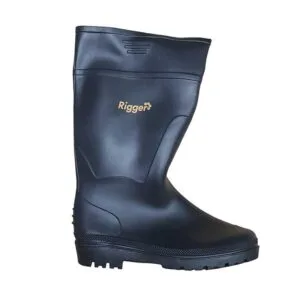
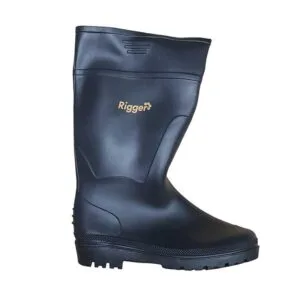
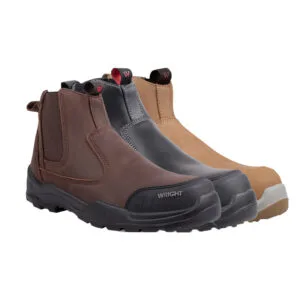
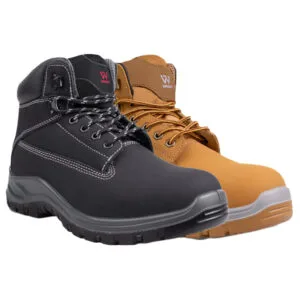
DOT, Wright, Pioneer, Rigger and ELLA ladies’ footwear in S1P and S3 — see our safety boot guide.
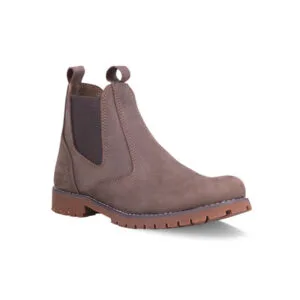
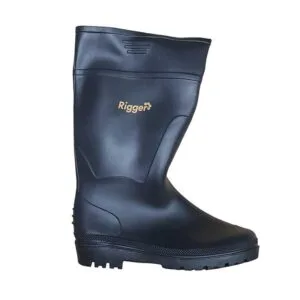
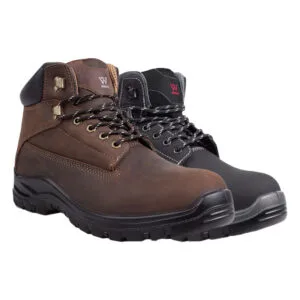 SALESAVE 9%
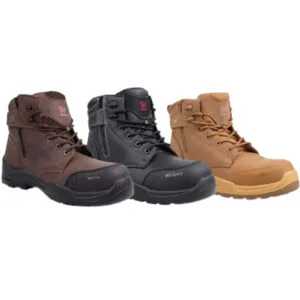 SALESAVE 8%
 SALESAVE 8%
Hard hats & hi-vis
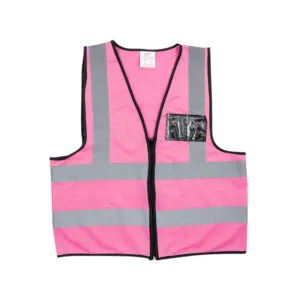
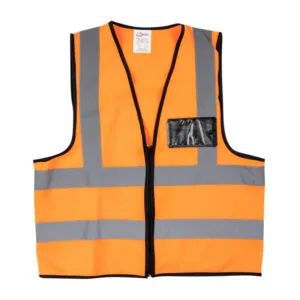
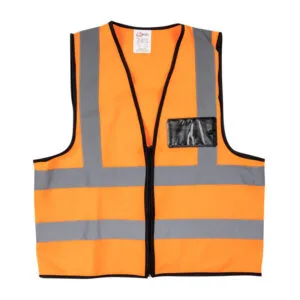
Head protection, reflective vests and jackets for every worker and visitor.
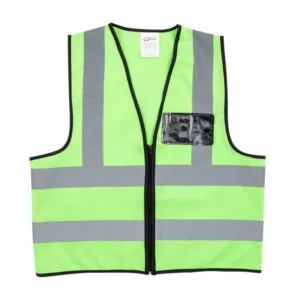
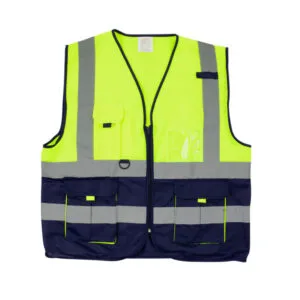
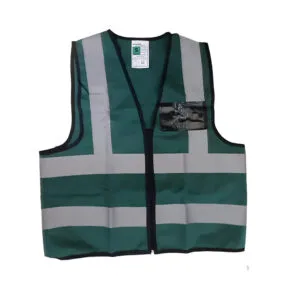
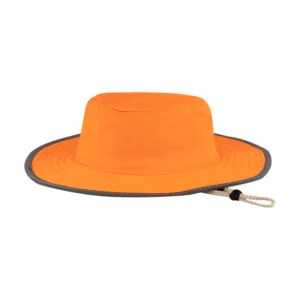

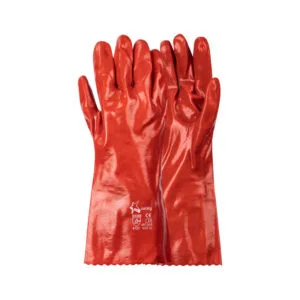
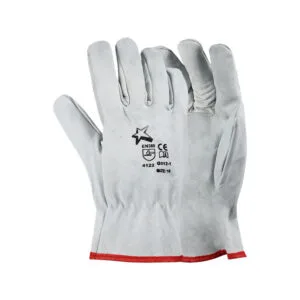
Gloves
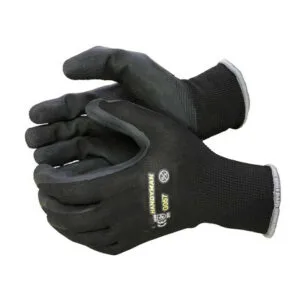
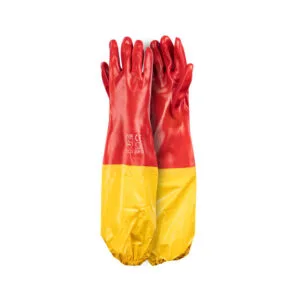
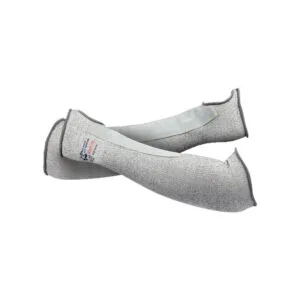
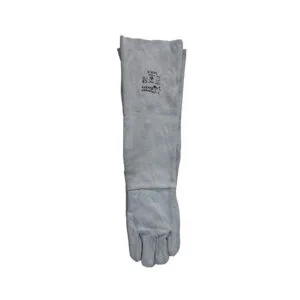
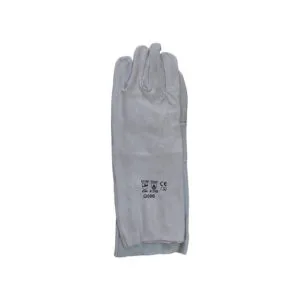
Builders, leather and handy-man gloves for brickwork, steel and handling.

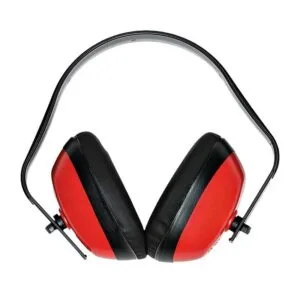
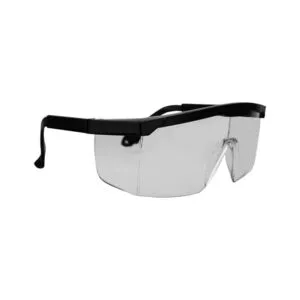
Dust, eye & ear protection
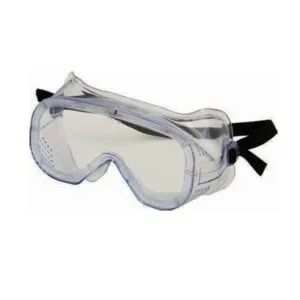
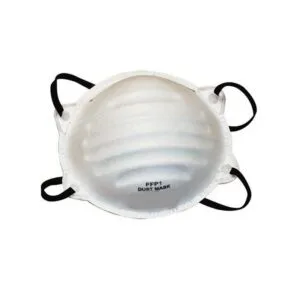
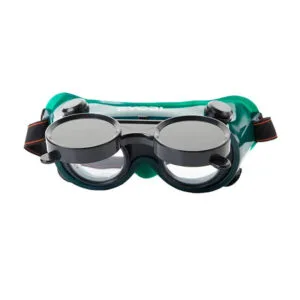
Respiratory masks, safety eyewear and ear protection for cutting, grinding and noisy plant.



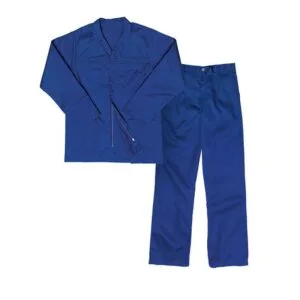
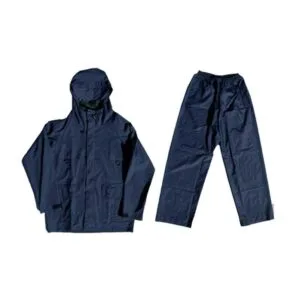
Rain gear & workwear
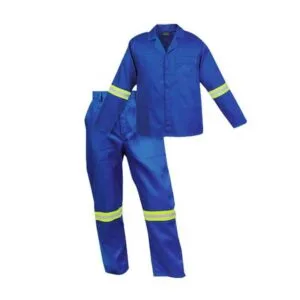
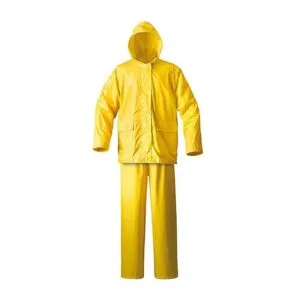
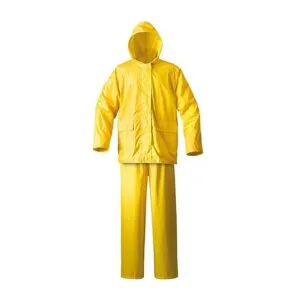
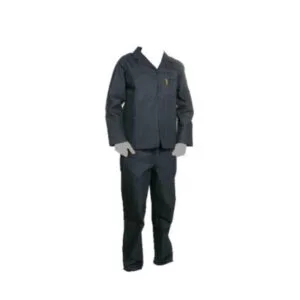
Rain suits and continental suits for site crews.
Waterproofing & adhesives
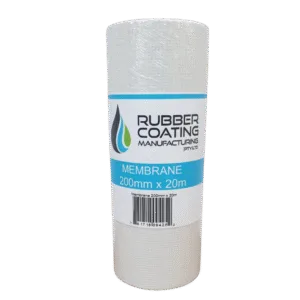
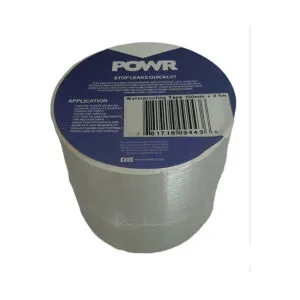
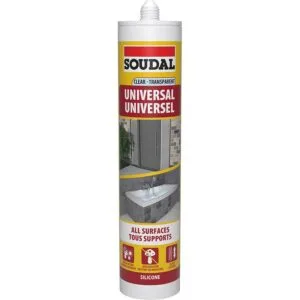
Roof and wall waterproofing, sealants and construction adhesives — see our waterproofing guide.

Construction crew PPE kit
Per worker, before site induction. Send us your crew size and boot sizes for a trade quote.
- Safety boots — S1P or S3 for nails and wet sites
- Hard hat
- Hi-vis vest or jacket
- Builders or leather gloves
- Safety eyewear for cutting, grinding and chiselling
- FFP2/FFP3 dust mask for cement, cutting and sanding dust
- Hearing protection for noise zones (85 dBA and above)
- Rain suit for wet-weather work
- Visitor PPE stock: hard hats, hi-vis and eyewear (Reg 7(6))
- A PPE issue register for the health and safety file
Why Construction & Building Sites buy from Securadeal
Buy more, save more — automatically
Volume discounts apply at checkout on qualifying products — no code, no account needed. Company name & VAT number go straight onto your tax invoice.
Kitting out a large crew or several sites? Get project pricing →
Frequently asked questions
What PPE is legally required on a South African construction site?
It follows the site risk assessment and health and safety plan, but the General Safety Regulations (Reg 2) list typical equipment — goggles, gloves, hard hats and hi-vis — and the employer must provide it free of charge where hazards can’t be removed. Most sites also need safety boots, dust masks for cutting and grinding, and hearing protection in noise zones.
Who must pay for PPE — the employer or the worker?
The employer. Section 23 of the OHS Act prohibits deducting from pay, or requiring or allowing payment, for anything the Act requires the employer to provide for health and safety, and General Safety Regulation 2 requires PPE to be provided free of charge.
Can an employer deduct the cost of lost PPE from wages?
Section 23 of the OHS Act prohibits deductions for anything the Act requires the employer to provide. Manage loss with an issue register and controlled replacement rather than wage deductions.
What are the principal contractor’s health and safety duties?
Under Construction Regulation 7 the principal contractor must provide a site-specific health and safety plan based on the client’s specification, keep a health and safety file on site, appoint only contractors with the necessary competencies and resources, check they are in good standing with the Compensation Fund, and ensure workers are trained before going on site. Visitors must get an induction and the necessary PPE.
What do SB, S1, S1P, S2 and S3 mean on safety boots?
SB is a 200 J toe cap only. S1 adds a closed heel, antistatic and energy-absorbing heel and an oil-resistant sole. S1P adds a puncture-resistant midsole. S2 adds a water-resistant upper. S3 combines S2 with puncture resistance. Our safety boot guide covers choosing between them.
Which safety boot grade is right for a building site — S1P or S3?
Both have a puncture-resistant midsole against nails. Choose S3 where the site is wet or muddy (water-resistant upper); S1P suits dry sites and is often lighter.
Do visitors to a construction site need PPE?
Yes. Construction Regulation 7(6) requires that visitors receive a site induction and the necessary PPE — so keep spare hard hats, hi-vis and eyewear for them.
At what noise level is hearing protection compulsory?
Under the Noise-Induced Hearing Loss Regulations, areas where the 8-hour noise rating reaches 85 dBA must be marked as noise zones, and hearing protection is compulsory inside them.
Which dust mask standard applies in South Africa?
Particle-filtering respirators such as FFP2 and FFP3 must comply with SANS 50149 and carry NRCS approval. Use FFP2 or FFP3 for cement, concrete-cutting and sanding dust.
Other industries we supply
Sources & references
- COVER — FEM data: 36 insured construction workers injured on sites daily — cover.co.za/news/on-average-36-insured-construction-workers-injured-on-sites-daily
- Stats SA QLFS Q2 2025, via Daily Dispatch — dailydispatch.co.za/news/2025-08-13-sa-becoming-a-construction-site-as-sector-adds-55000-jobs-year-on-year
- PMG — CIDB briefing: contractor register Q4 2024 — pmg.org.za/committee-meeting/40751
- TimesLive — Stats SA Construction Industry Survey 2024 (July 2026) — timeslive.co.za/news/business/2026-07-09-stats-sa-highlights-decline-of-construction-industrys-role-in-economy
- Construction Regulations 2014, Reg 7 — duties of principal contractors — acts.co.za/occupational-health-/cr2014_nr84_7__duties_of_principal_co
- OHS Act s8 — general duties of employers — acts.co.za/occupational-health-/8__general_duties_of_employers_to_their_employees
- General Safety Regulations, Reg 2 — personal safety equipment — acts.co.za/occupational-health-/gsr_nr1031_2_personal_safety_equipment_and_facilities
- EN ISO 20345 safety footwear grades explained — vdp.com/EN/Nieuws/date/desc/10/2311/235/safety-shoes-sb-s1-s1p-s2-or-s3-what-are-the-differences.html
- Noise-Induced Hearing Loss Regulations, 2003 (GN R307) — lawlibrary.org.za/akn/za/act/gn/2003/r307/eng@2003-03-07
- NIOH — testing of respiratory protective equipment (SANS 50149) — nioh.ac.za/wp-content/uploads/2020/07/Testing-of-Respiratory-Protective-Equipment-.-Webinar-NIOH-2020-07-10.pdf
- OHS Act s23 — certain deductions prohibited — acts.co.za/occupational-health-/23__certain_deductions_prohibited
Regulation summaries are general guidance to help you plan procurement — not legal advice. Always confirm current requirements with your health & safety officer or the relevant authority.
Trade pricing for contractors
Tell us what you use and how many sites — we'll quote volume pricing within one business day.